Skip Hire in Kilburn

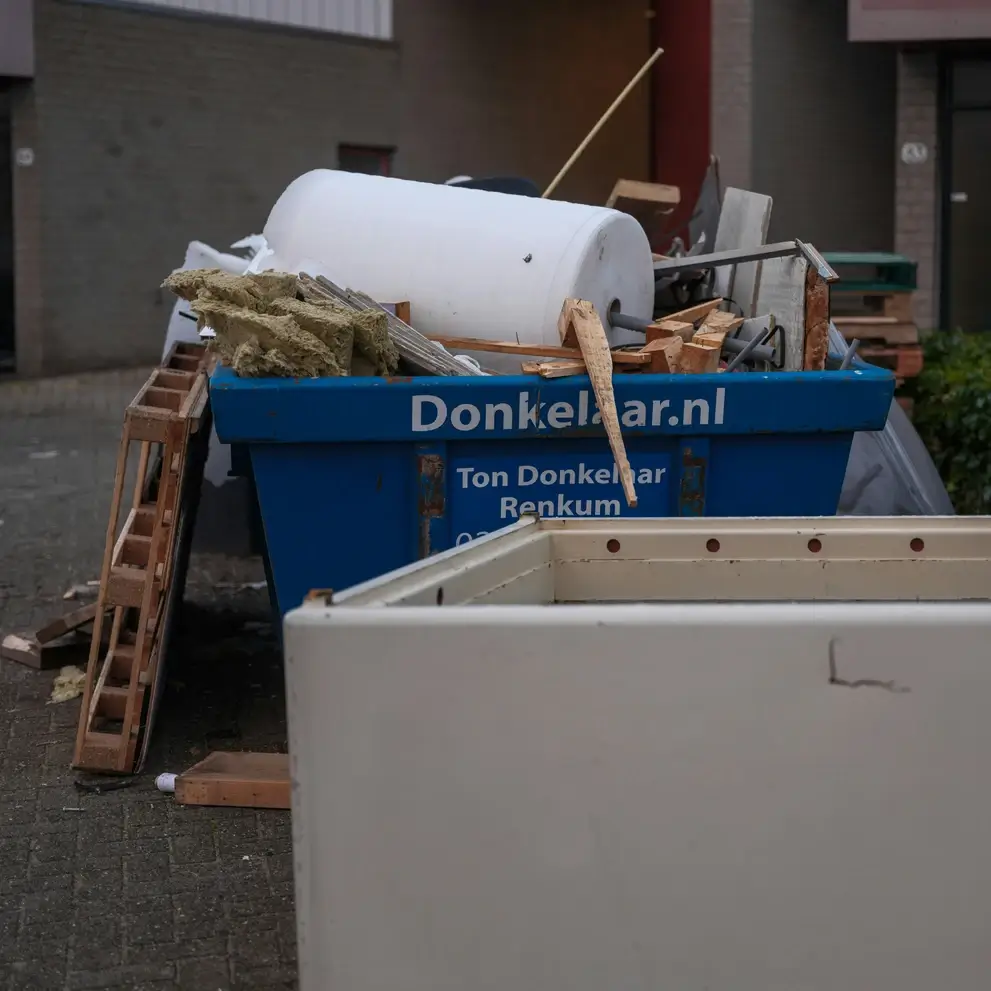
Skip hire in Kilburn is a practical way to manage bulky rubbish, renovation waste and mixed household items when you need a single collection point for the job. We provide a straightforward service for domestic and commercial projects, with options that suit clear-outs, building work and routine waste removal. The focus is on helping you choose the right skip type, understand what can be loaded, and arrange the collection in a way that fits the work on site.
Our skip hire service is designed around different waste streams and access needs, so you can select a size and style that matches the task rather than over-ordering. Whether the work involves a flat refresh, a garden tidy, a loft clearance or heavier construction waste, it helps to have a container that keeps the site organised. If you are comparing options, start with the type of material and the amount of space available, then decide how the skip should be delivered and removed.
For a simple next step, think about the waste you want to remove and the time you need the container on site. That information makes the quotation clearer and helps reduce delays when the booking is arranged. If you already know the kind of project you are planning, you can also review the relevant service pages for more detail before you request a quote.
Domestic and household skip hire
Domestic skip hire is often used for house clearances, decorating waste, bathroom refits and general household tidy-ups. Mixed items are common on these jobs, so the key point is to separate waste that can be placed in a skip from anything that requires special handling. Cardboard, broken furniture, old fixtures, timber, packaging and general debris are all typical examples of material people want removed together during a home project.
When the work is centred on a property rather than a building site, access and placement become especially important. A skip needs enough room to be delivered safely, and the collection point should not create unnecessary obstruction. For smaller or more restricted domestic jobs, alternatives such as wait and load skip hire can be worth considering if the site is tight or you prefer a quicker removal without leaving a container in place.
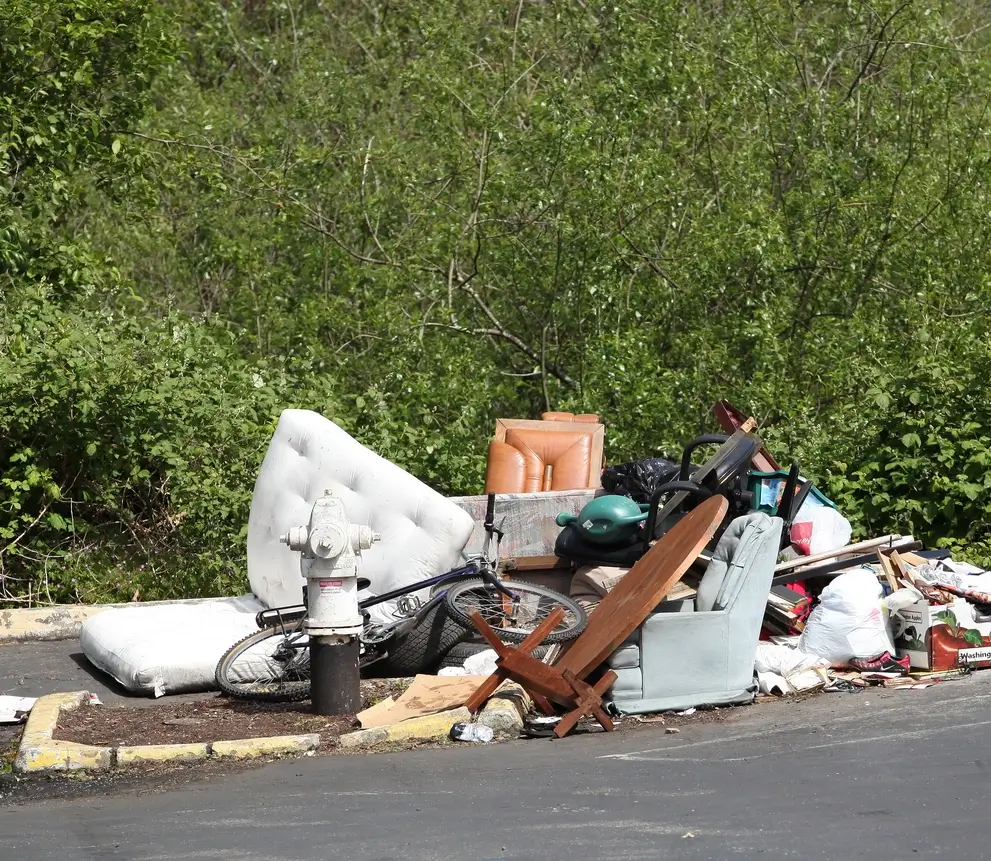
For household projects with a stronger emphasis on mixed reusable and disposable items, our domestic service can sit alongside related clearance work. If the job includes furniture, room contents or general domestic clutter rather than only loose waste, a fuller removal plan may be more efficient than treating everything as standard rubbish. In that case, the quotation can reflect the exact material mix, the access available and whether the job needs a skip, a clearance team or both.
Builders waste and construction materials

Builders skip hire is suited to renovation work, small construction projects, strip-outs and property improvements that produce rubble, timber, plasterboard, packaging and other debris. The waste profile is usually more predictable than a house clearance, but it still helps to choose the skip with care. Heavy inert material, sharp offcuts and mixed loads all influence the best container choice and the way the load should be arranged.
For building work, many customers look for a service that fits the sequence of the project rather than interrupting it. That might mean planning a delivery near demolition, during rip-out work or at the point when waste begins to build up on site. Our builders skip hire page gives a more focused view of this type of work, while construction waste disposal covers broader handling of project waste where the emphasis is on removal and onward treatment.
Heavier jobs may also benefit from a service that matches the scale of the load and the space available around the property. If access is limited, larger items need breaking down or the waste includes awkward debris, the right arrangement can save time on site. It is worth keeping the quotation tied to actual waste volume and the main material types, because those details affect the container choice and the most suitable collection method.
Clearance services for homes, garages and gardens
Many skip hire enquiries begin with a clearance rather than a building project. House clearance, garage and loft clearance, and garden waste removal each create different loads, even when they are all treated as one tidy-up. A garage often contains mixed household storage, broken equipment and redundant items, while a loft may produce lighter clutter but awkward access. Garden work is different again, because soil, cuttings, branches and old outdoor items may all appear together.
Our related clearance pages help keep those jobs distinct. house clearance is suitable when the task involves rooms or whole properties rather than loose waste alone, while garage and loft clearance focuses on spaces where access and sorting matter. For outside work, garden waste removal is a useful option for green waste, prunings and garden debris that needs a cleaner way of leaving the site.
The important decision is not only how much there is, but what kind of material has accumulated. A well-planned clearance avoids overfilling, keeps the site easier to move around and helps you choose whether a skip is the best answer or whether a dedicated clearance service would be more appropriate. Clear access, honest load descriptions and realistic timing all contribute to a smoother booking.
Commercial, office and site waste

Commercial skip hire can be arranged for workplaces, retail units, managed premises and planned property maintenance where waste needs removing without slowing down the operation. Office clearance, shop refits and general business waste often include paper, packaging, fixtures, fittings and old furniture, with varying levels of recyclability. Choosing the right service depends on whether the waste is mostly office contents, routine rubbish or material from a larger building project.
For business customers, the service choice often turns on the layout of the premises and the kind of waste being produced. Commercial skip hire is a sensible starting point for larger or ongoing needs, while office clearance is better suited to desks, chairs, storage and other workplace contents. If the work is tied to a broader strip-out or property handover, site clearance may be the more relevant fit because it covers wider debris and prepares an area for the next stage.
These jobs often benefit from a clear division between what is reusable, what can be recycled and what must be disposed of. The same principle applies whether you are emptying a single office or dealing with a more complex multi-area site. For planning purposes, it is usually best to identify the main waste categories first and then choose the page or service that matches the real task rather than the one that sounds broadest.
Specialist waste and controlled disposal
Some jobs require more than an ordinary mixed-waste container. Items such as fridges, appliances, confidential paperwork, mattresses, sofas and certain hazardous materials may need specialist handling or a more specific route for disposal. In those cases, the service has to reflect the material rather than just the volume, because the collection, sorting and onward processing may differ from standard skip hire.
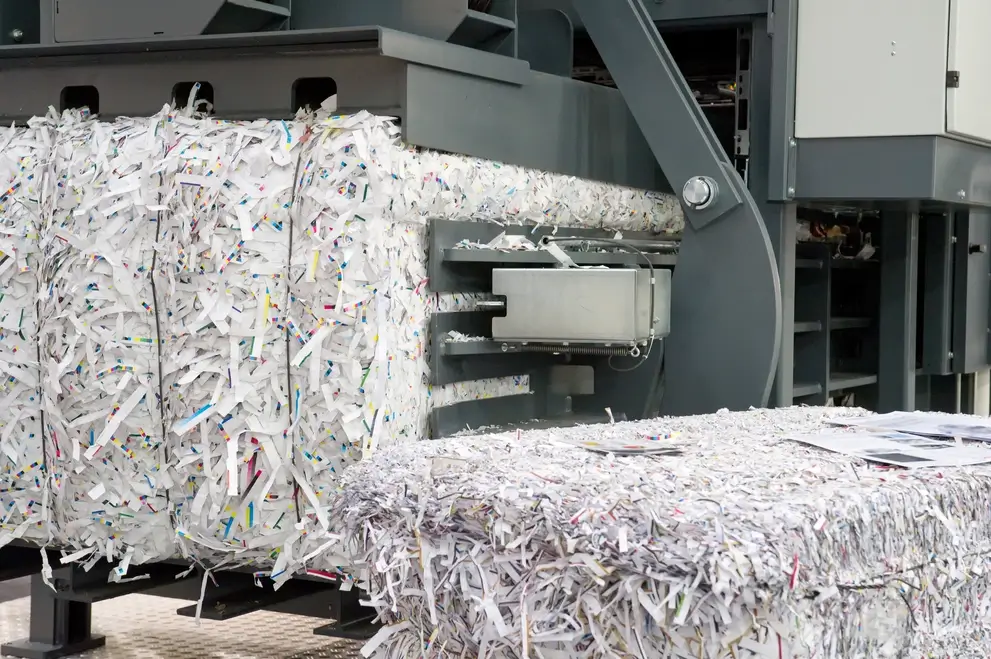
Where a project includes unusual waste, it helps to use the most relevant service page instead of assuming every item can be treated the same way. fridge and appliance removal is designed for bulky domestic and commercial electrical items, while confidential shredding suits paperwork that should not be mixed with general waste. For regulated or potentially dangerous material, hazardous waste disposal is the appropriate reference point.
Mixed jobs are common, especially during clear-outs, but separating specialist material early makes the process more manageable. It also avoids building a quotation around the wrong assumptions. If you are unsure whether an item belongs in a skip, it is better to check the relevant service category first and then decide what can safely go together in one arrangement. That approach keeps the booking accurate and the disposal route more suitable for the waste involved.
Choosing the right skip size and hire arrangement
The best skip hire option is not always the largest one. Size, access and the character of the waste all matter, and the right choice usually comes from matching the container to the job. A small domestic clear-out, a mid-sized refurbishment and a heavier building project can each call for a different arrangement. The goal is to keep the waste manageable without paying for more capacity than the work is likely to use.
Our skip sizes and prices page is helpful when you want a clearer view of the practical differences between container options. If the waste is urgent or the timetable is tight, same-day skip hire may be relevant for certain jobs, while enclosed and lockable skip hire can be useful where security, weather protection or item containment are priorities.
For some customers, the choice comes down to how the work will unfold. If waste will arrive in stages, a single container may suit the job well. If the site has limited room, you might prefer a quicker turnover or a container style that supports safer loading. The most effective hire arrangement is usually the one that fits the site as it is, not as it might look after the job is complete.
About Kilburn
Kilburn is an area in north-west London that sits across the borough boundaries of Brent, Camden and Westminster, with Kilburn High Road forming one of its best-known corridors. The district developed along an important historic route and later became closely associated with rail travel, terraces of late nineteenth and early twentieth-century housing, and a busy high street character that still defines much of the area today. Kilburn High Road station links the neighbourhood into the wider London transport network, while nearby Kilburn Park Underground station adds another layer of connectivity. The area’s built form mixes Victorian and Edwardian streets with later blocks and commercial frontages, creating a layered urban landscape rather than a single uniform centre.
Preparation, access and collection planning
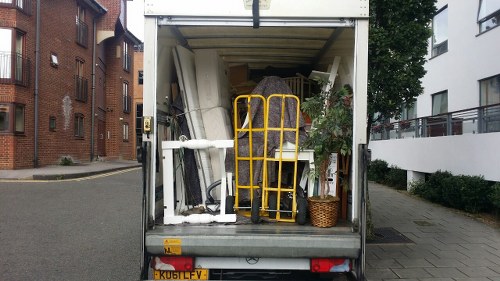
Good skip hire usually starts with practical preparation. The waste should be gathered in one place where possible, and it helps to think about whether bulky items need breaking down before collection. A clear access route makes delivery easier, especially where vehicles must pass through narrow streets, shared entrances or controlled parking areas. If the job includes mixed waste, it is also sensible to keep any materials that need special handling separate from the main pile.
When you request a quotation, the most useful details are the waste type, the approximate quantity and any access constraints that may affect delivery or uplift. A short description is often enough to begin with, but if the project includes several kinds of material, a more specific breakdown can help. For example, a load of timber and plasterboard is different from a load of old furniture and household clutter, even if both occupy the same space.
In many cases, the most efficient way to prepare is simply to decide what will go, what should stay and whether any part of the job needs another service category. what can go in a skip is a useful reference if you want to avoid loading prohibited or unsuitable material. Once the waste is defined clearly, the rest of the booking tends to be more straightforward.
Waste recycling and responsible handling
Responsible disposal is an important part of any skip hire arrangement. Mixed waste often contains items that can be separated for recycling, along with residual material that must be treated differently. The more accurately the waste is sorted at the start, the easier it becomes to direct suitable items into the right recycling or recovery stream. That applies to everything from household clutter to builders’ debris and workplace clear-outs.
Our waste recycling services page explains the broader approach to sorting and handling discarded material, while recycling and sustainability gives a wider view of how materials may be managed beyond simple collection. For construction-related work, construction waste clearance can be relevant where the emphasis is on removing and sorting project debris in a more structured way.
Customers often want a service that is practical without being wasteful, and that means choosing the right disposal route rather than using a one-size-fits-all approach. The main benefit of careful sorting is that it makes the job easier to plan and keeps the waste moving through the most suitable channel. That balance between convenience and responsible handling is central to modern skip hire.
Booking options and quotation requests

If you are ready to move ahead, the final step is to ask for a quotation with the main waste type, the expected volume and the location details for delivery or collection. This is usually enough to begin a useful conversation about the most suitable service, whether the task is domestic, commercial or linked to a building project. A clear description keeps the response relevant and helps avoid unnecessary changes later on.
Some customers know exactly what they need, while others are comparing a few closely related options such as builders skip hire, rubbish removal or a wait-and-load arrangement. If that is the case, it helps to set out the job in plain terms and let the service match the waste rather than forcing the waste to fit the service. If you are still deciding, you can review the relevant pages and then request the quotation once the job is clearer. pricing and quotes is the best place to begin when cost planning is part of the decision.
Request a quotation when you are ready and include the key details that define the job. The right arrangement depends on what you are clearing, how much there is and where the work is taking place. For a direct start, you can also use the booking option here: book online.